.gif)
Key Takeaways
- Restaurant delivery software streamlines operations, reduces errors, and increases revenue by automating order management and optimizing delivery routes.
- Commission-free platforms like Restolabs help independent pizzerias, fast-casual cafes, and single-location restaurants keep 100% of profits while owning customer data.
- Essential features include real-time order tracking, POS integration, secure payments, customer engagement tools, and actionable analytics.
- Third-party platforms offer quick market reach but charge 15-30% commissions and limit customer data access.
Convenience is the new currency, and fast, flawless delivery is how restaurants cash in!
With the global food delivery market projected to reach $1.57 trillion by 2030 and grow 9% annually, the opportunity is massive and the competition is fierce for those aiming to thrive in this digital-first ecosystem. Managing flooding online orders has become a real-time challenge for independent pizzerias, fast-casual cafes, and growing restaurant chains.The restaurants that master this operational complexity don't just survive—they build lasting customer relationships and sustainable growth.
Here is where restaurant delivery software steps in, seamlessly managing large volumes of online orders. From order placement to doorstep delivery, it eliminates operational bottlenecks, speeds up service, and ensures a smooth experience that keeps customers coming back.
In this blog post, let’s dive into the key benefits of restaurant delivery software and explore the top solutions to streamline your delivery operations and enhance customer satisfaction!
Benefits of Restaurant Delivery Management Software
Restaurant delivery management software transforms how restaurants handle online orders, creating measurable improvements across operations, customer satisfaction, and revenue growth. For independent restaurant owners and growing chains, these benefits directly impact your bottom line.
Operational Efficiency & Cost Reduction
- Automated Order Processing: Eliminates manual entry errors and reduces staff workload by 40-60%
- Optimized Delivery Routes: GPS-powered routing cuts delivery times by 20-30% and reduces fuel costs
- Real-time Inventory Management: Prevents overselling and reduces food waste through automatic menu updates
Revenue Growth & Customer Retention
- Expanded Customer Reach: Online ordering increases average order volume by 25-35%
- Data-Driven Marketing: Customer insights enable targeted promotions that boost repeat orders
- Higher Order Values: Upselling features and combo suggestions increase average ticket size by 15-25%
Enhanced Customer Experience
- Real-time Order Tracking: Customers receive live updates from kitchen to doorstep
- Multiple Payment Options: Secure, convenient checkout reduces cart abandonment
Personalized Ordering: Order history and preferences create a tailored experience
Why Does Your Restaurant Need Delivery Software?
Managing restaurant deliveries can be overwhelming, but the right delivery software changes everything. It streamlines food delivery operations, enables seamless online ordering, and ensures every order reaches customers efficiently.
As demand for food delivery continues to rise, having a robust delivery system is no longer optional—it’s essential. The industry is expected to grow at a CAGR of 9% from 2025 to 2030, and staying ahead means more than just serving great food. It’s about optimizing efficiency, maintaining quality, and keeping customers satisfied.
Here are some common reasons why independent pizzerias, fast-casual cafes, and growing restaurant chains need delivery software:
Increased accuracy and productivity
- Seamless Ordering: Guests can easily add to cart, review, cancel, and reorder without hassle.
- Kitchen Efficiency: Automated workflows keep your staff focused and reduce manual entry.
- Smart Delivery Management: Features like optimized delivery routes, auto-assigning drivers, and real-time tracking mean fewer delays and happier customers.
Improved business growth and revenue
- A robust delivery system enhances accessibility and gives independent restaurants access to a wider customer base
- It helps your restaurant handle more orders in less time without compromising quality
- It improves sales with automated order management and optimized delivery times, making it simple to serve more customers
- Integrated data analytics can support targeted marketing efforts, allowing you to personalize promotions and drive repeat business
- Strategic cross-sales opportunities like combo deals and add-ons, can increase cart value
Speed, efficiency, and engagement boost customer satisfaction, profitability, becoming a customer retention strategy!
Wondering whether you need one is a good first step. To give you more insights, read further to understand the key features you need in an efficient delivery software for your restaurant.
Key Trends in Restaurant Delivery Software
The restaurant delivery software landscape is evolving rapidly, driven by changing customer expectations and technological advances. Understanding these trends helps restaurant owners make informed decisions about their delivery technology stack.
AI-Powered Order Management
Artificial intelligence is transforming how restaurants handle order volume spikes and predict demand patterns. AI algorithms analyze historical data to forecast busy periods, automatically adjust staffing recommendations, and optimize menu pricing in real-time.
Contactless & Voice Ordering
Post-pandemic preferences have accelerated adoption of contactless ordering methods. Voice-activated ordering through smart speakers and QR code menus are becoming standard features, reducing physical touchpoints while improving order accuracy.
Integrated Marketing Automation
Modern delivery platforms combine order management with automated marketing campaigns. Customer segmentation, personalized promotions, and loyalty program automation help restaurants build stronger relationships without manual effort.
Sustainability & Green Delivery
Environmental consciousness is driving demand for eco-friendly delivery options. Software now includes carbon footprint tracking, electric vehicle routing, and sustainable packaging recommendations to meet customer expectations.
Common Challenges in Restaurant Delivery Operations and How Software Solves Them
Restaurant owners face numerous delivery challenges that directly impact customer satisfaction and profitability. Modern delivery software addresses these pain points with targeted solutions.
How to Choose the Right Restaurant Delivery Software
Selecting the right delivery software requires careful evaluation of your specific needs and business goals. For independent pizzerias, fast-casual cafes, and growing restaurant chains, the decision impacts both operational efficiency and long-term profitability.
Decision Framework Checklist
✓ Business Size & Growth Potential
- Single Location: Focus on ease of use, customer data ownership, and commission-free models
- Multi-Location: Prioritize centralized management, scalability, and enterprise features
- New Restaurants: Look for white-glove setup, training support, and flexible pricing
✓ Integration Capabilities
- Seamless POS system integration
- Payment gateway compatibility
- Third-party platform connections
- Accounting and inventory system sync
✓ Pricing Structure & Total Cost
- Monthly subscription vs. commission-based fees (15-30% per order)
- Hidden costs and setup fees
- Long-term profitability impact and customer data ownership
✓ Customer Support & Training
- 24/7 support availability
- Onboarding and training programs
- Technical documentation quality
- Dedicated customer success management
✓ User Interface & Ease of Use
- Intuitive dashboard design
- Mobile-friendly interface
- Staff training requirements
- Customizable branding options
Essential Features of Restaurant Delivery Software
From automated order management to seamless POS integrations, the best restaurant management software offers features that facilitate deliveries with maximum efficiency, accuracy, and customer satisfaction.
Here are some of the key features you need:
1. Order and delivery management
The right delivery software acts as your restaurant's nervous system, managing orders from multiple sources, such as your website, mobile app, and third-party delivery platforms. Delegating all those incoming orders to the right staff-kitchen and delivery-without any errors is the next benchmark.
When the kitchen receives order notifications, preparation becomes streamlined. Stock is managed, menus are updated, and staff aren't scrambling at the last minute.
It must also assign drivers efficiently, ensuring the deliveries are dispatched on time. It must come with real-time GPS tracking and intelligent route optimization, reducing manual interventions.
Advanced Order Management Features
- Multi-Channel Integration: Consolidate orders from website, mobile app, and third-party platforms
- Kitchen Display Systems: Digital order tickets with preparation timers and status updates
- Automated Driver Dispatch: Smart assignment based on location, availability, and delivery zones
- Peak Hour Management: Order throttling and estimated delivery time adjustments during busy periods
2. Direct integration
Most restaurants rely on external food aggregators like Doordash, GrubHub, Uber Eats, etc., to reach a more extensive customer base. However, the problem is that managing multiple platforms can be tiring and lead to mismanagement. Updating menus manually can also be time-consuming. Choosing a restaurant delivery software that seamlessly integrates with POS and delivery platforms can help you manage everything under a centralized dashboard.
Integration Best Practices
- POS Synchronization: Real-time menu, pricing, and inventory updates across all channels
- Payment Gateway Compatibility: Support for multiple processors and payment methods
- Accounting System Sync: Automatic transaction recording and financial reporting
- Marketing Tool Integration: Customer data flow to email marketing and loyalty programs
3. Secure payment options
Customers expect maximum security when placing online orders, and for that, you need to choose a restaurant delivery software that offers multiple payment methods. The platform should include end-to-end encryption and PCI-compliant payment processing to prevent fraud and data breaches.
Payment Security Features
- Multiple Payment Methods: Credit/debit cards, digital wallets, contactless payments
- PCI DSS Compliance: Industry-standard security for payment data protection
- Fraud Detection: Real-time transaction monitoring and risk assessment
- Tokenization: Secure storage of customer payment information for repeat orders
4. Customer engagement and loyalty
Offering customers the “they know me” experience qualifies retention. With order history tracking features on delivery software, you can create a personalized database for customers. This creates avenues for targeted marketing through SMS, emails, promos, and catered deals. Delivery software with automated notifications can keep customers informed of their delivery status, enabling them to track order confirmation to final delivery.
Promotional offers and loyalty rewards (points, discounts, freebies) strengthen customer relationships and boost repeat orders. Delivery software can sync with social media channels, so restaurants can reach customers where they already are. Targeted promos sent at the right time equals higher engagement.
Customer Engagement Tools
- Personalized Recommendations: AI-powered menu suggestions based on order history
- Automated Marketing Campaigns: Birthday offers, win-back campaigns, and seasonal promotions
- Real-time Communication: Order updates via SMS, email, and push notifications
- Review Management: Automated feedback collection and response tools
5. Actionable analytics
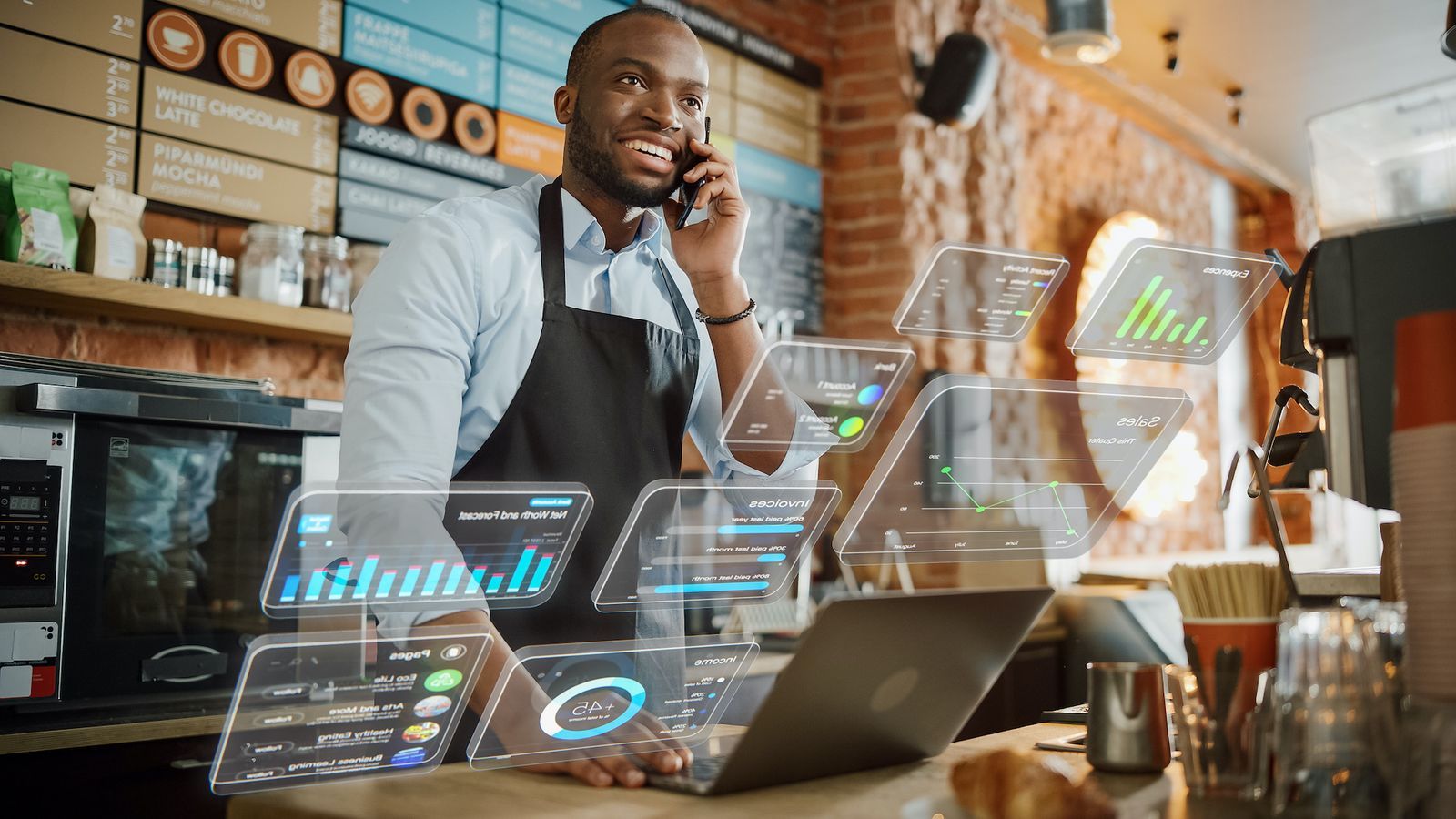
Key analytics from restaurant delivery software can help turn raw data into smart decisions. It can help study customer behavior, which directly transforms the menu and pricing. Analyzing customer feedback and reviews can help enhance customer experience, minimizing your chances of cart abandonment. Historical data can be applied to inventory management, forecast demand, and align marketing efforts.
Analytics & Reporting Capabilities
- Sales Performance Tracking: Revenue trends, peak hours, and seasonal patterns
- Customer Behavior Analysis: Order frequency, average ticket size, and preferences
- Operational Metrics: Delivery times, driver performance, and order accuracy rates
- Predictive Insights: Demand forecasting and inventory optimization recommendations
Now that you’re probably considering investing in restaurant delivery software, here are our top picks.
Best Restaurant Delivery Software Solutions
Choosing the right delivery software can make all the difference, helping restaurants manage orders, optimize delivery routes, and enhance customer satisfaction.
Quick Comparison Table
RestoLabs
RestoLabs is an easy-to-use online ordering platform designed to help restaurants increase revenue, streamline operations, and enhance customer experience effortlessly. With our white-glove setup, we ensure a simple onboarding experience, allowing restaurants to quickly launch custom-branded online menus with integrated loyalty programs.
RestoLabs also offers smooth POS integrations, multi-channel order management, and advanced delivery controls, including area-based, radius-based, and map-based delivery settings.
Restaurants can also set custom order restrictions during peak hours, ensuring smooth operations without overwhelming the kitchen staff. With deep third-party integrations, RestoLabs provides a centralized system for managing online orders while reducing reliance on multiple external platforms.
Key Features Highlights
- Real-time order tracking: Gives you complete visibility into every delivery
- Easy menu configuration: It has a simple dashboard that helps you update menus, prices, and item availability in real time. It allows you to customize combos and create deals
- Payment Gateway Integration: RestoLabs is compatible with 50+ providers worldwide for restaurants to choose from, supporting multiple currencies and maintaining PCI compliance
- Scalable & Customizable – Whether you're a single-location restaurant or a multi-chain brand, RestoLabs adapts to your needs with flexible features and enterprise-grade solutions.
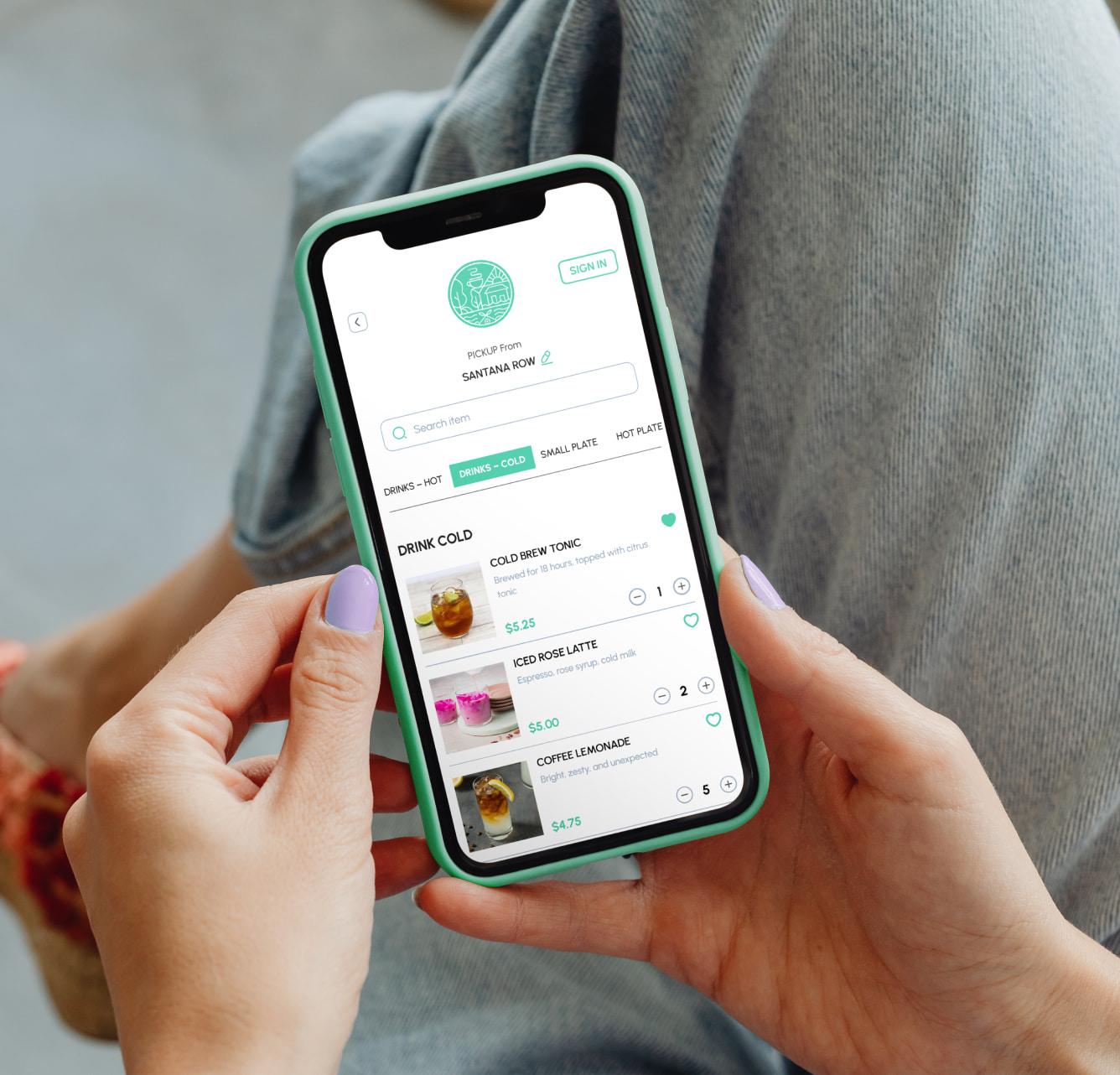
- Device-responsive ordering: Customers can place orders seamlessly from any device, be it a mobile, tablet or desktop
- Reward programs and coupon builder: Create point-based loyalty and coupon code based reward programs to enhance customer engagement and encourage repeat orders
- Analytics Insights for Smarter Decisions – RestoLabs' real-time analytics help restaurants track sales trends, customer behavior, and order performance, enabling data-driven decisions to optimize menu pricing, improve delivery efficiency, and increase repeat orders.
Pros & Cons
Pros:
- Zero commission fees - keep 100% of profits
- Complete customer data ownership
- White-glove onboarding and setup
- Customizable branding and features
Cons:
- Requires building your own customer base
- Monthly subscription cost vs. pay-per-order model
Pricing
Menufy
Menufy is a customizable online ordering platform that helps restaurants streamline ordering processes and build a strong digital presence. This platform allows you to access a customizable ordering system that facilitates takeout and delivery orders and online payments. It offers an easy, integrated, and lower-cost service option as well.
While Menufy provides access to drivers, customers have frequently faced delivery issues and poor customer support.
Key Features Highlights:
- It has an order notifications feature through automated calls, text messages, and email
- Helps manage orders through any integrated device like a mobile, tablet, or directly on your POS system
- Effortless copy-pasting to duplicate menu items without manual entry
- Provides basic email marketing
- Though the online ordering website is only available in English, support is available in 5 languages.
- Is available only inside the US
- Menufy accepts 13 cryptocurrency payment options through BitPay
Pros & Cons
Pros:
- Cryptocurrency payment options
- Multi-language support
- Easy menu duplication features
Cons:
- Frequent delivery issues reported
- Poor customer support
- Limited to US market only
Pricing
Menufy’s delivery system starts at 12.5% per delivery order and $1.75 on each order pickup, which can sometimes be charged to customers.
ChowNow
ChowNow is a platform that supports both direct online ordering and a marketplace. The platform’s ordering technology allows independent restaurants to take orders via branded channels. Once your restaurant receives an order, ChowNow communicates the order back to you for pickup or delivery, streamlining the order process.
It is an easy-to-use platform with order, dispatch, delivery, and menu management features. However, ChowNow could improve its interface to make it less complex and reduce the technical know-how needed to integrate POS systems.
Key Features Highlights:
- Centralized menu management
- Branded mobile app
- Automated email marketing
- Credit card and fraud chargeback protection
- Point based rewards program
Pros & Cons
Pros:
- Branded mobile app included
- Fraud protection features
- Automated email marketing
Cons:
- Complex interface requiring technical knowledge
- Higher pricing for smaller restaurants
- Limited customization options
Pricing:
Ubereats
Uber Eats is an online food ordering and delivery platform that connects restaurants, customers, and delivery partners. This third-party food delivery software handles ordering, payment, and delivery logistics. You can schedule orders, track them while being able to update the menu in real time. The platform lets you create sponsored listings, increasing your visibility to customers.
However, Uber Eats takes up to 30% commission per order, significantly affecting restaurant profit margins. Restaurants don’t have direct access to customer data, making it challenging to build long-term relationships or run personalized marketing campaigns. Brand loyalty also suffers, as customers tend to associate their experience with Uber Eats rather than the restaurant itself.
Key Features Highlights:
- Restaurants can leverage Uber Eats’ in-app promotions, ads, and deals to attract more customers
- Access to large, built-in audience actively looking for food delivery, which increases restaurant visibility
- Customers and restaurants benefit from real-time order tracking, improving transparency and reducing uncertainty
- Sales Aisle for a curated selection of promos and deals
Pros & Cons
Pros:
- Large built-in customer base
- Extensive marketing tools and promotions
- No upfront costs or setup fees
Cons:
- High commission fees (up to 30%)
- No customer data access
- Limited control over customer experience
Pricing:
Grubhub
Grubhub is a mobile-friendly software that connects restaurants with customers through its app and website, handling online ordering, payments, and delivery.
It helps streamline operations while offering restaurants access to a broad customer base. With features like real-time order tracking, loyalty programs, in-app reviews, and POS integration, Grubhub helps restaurants boost visibility and drive more orders. It also offers marketing support and customer insights.
However, restaurants should be mindful of the commission fees (typically 15–30%) and the limited control over the end-to-end customer experience.
Key Features Highlights:
- Loyalty programs with personalized marketing tools
- Intuitive app and web platform for seamless ordering and real-time tracking
- Syncs with restaurant POS systems for streamlined order management
- Provides insights into sales, customer trends, and operational performance
- Supports in-app promotions and has paid visibility boosts
- Use Grubhub’s driver network or manage deliveries in-house
- Handles transactions, tips, and customer service for smooth operations
Pros & Cons
Pros:
- Strong loyalty program features
- Comprehensive analytics and insights
- Flexible delivery options
Cons:
- High commission fees (15-30%)
- Limited customer data access
- Dependency on platform policies
Pricing:
DoorDash
DoorDash allows restaurants to offer delivery and pickup services without managing their own logistics. With a vast network of Dashers (delivery drivers), built-in marketing tools, and access to performance analytics, the platform helps restaurants expand their online reach and simplify order fulfillment.
However, this convenience comes with trade-offs. Restaurants have limited control over customer data, making it harder to build direct relationships or run personalized marketing. Additionally, they have little say in refunds, disputes, or policy changes dictated by the platform. Visibility on DoorDash is largely influenced by how much a restaurant pays—those on lower-tier plans often receive less exposure, while premium plans and ad spend boost visibility through the algorithm. The high commission fees, which can reach up to 30% per order, significantly reduce restaurant margins and make long-term profitability a challenge.
Key Features Highlights:
- Offers analytics on sales, order trends, peak times, and customer preferences
- In-app promotions, featured listings, and sponsored placements to boost visibility
- Compatible with many POS systems for order and menu management
- Restaurants can benefit from increased orders via DoorDash’s subscription program
- Handles payments, refunds, and customer service on behalf of the restaurant
Pros & Cons
Pros:
- Largest delivery network in many markets
- Comprehensive analytics and reporting
- DashPass subscription program drives orders
Cons:
- Very high commission fees (up to 30%)
- Pay-to-play visibility model
- No customer data ownership
Pricing
In brief, Utilizing third party marketplace delivery software for your restaurant can sometimes be the best decision. But the biggest drawback is the high commission fees, which can range from 15% to 30% per order. These fees significantly cut into profit margins, especially for small or independent restaurants, sometimes making deliveries barely profitable—or even a loss.
Restaurants also have limited control over the delivery experience, yet still bear the blame for issues like late or cold food. Plus, customer data stays with the platform, making it harder for restaurants to build direct relationships and long-term loyalty.
This is where platforms like RestoLabs stand out. It empowers you to truly own your customer relationships without taking a hefty cut from your earnings.
Supercharge Your Restaurant Deliveries with RestoLabs
Managing restaurant deliveries shouldn’t be complicated—or costly. RestoLabs is a commission-free online ordering platform that gives you full control over your orders, customers, and revenue. No hidden fees, no middlemen—just a seamless system that helps you streamline deliveries and maximize profits.
With real-time order tracking, automated notifications, and effortless POS integration, you can manage every order from start to finish without delays or miscommunications. Smart delivery controls let you set custom zones, optimize routes, and integrate with third-party platforms—keeping operations smooth and customers satisfied.
Don’t let delivery issues hold back your restaurant. Schedule a demo to learn how RestoLabs can advance your delivery operations!

Sruthi Sekar specializes in brand strategy, growth, and user experience in the hospitality industry. As the driving force behind Restolabs, she helps restaurants harness technology to scale and thrive. With a background in design, branding, and entrepreneurship, she brings a sharp focus on crafting digital experiences that drive real business impact.
Frequently Asked Questions
A restaurant delivery software solution is a digital platform that helps restaurants manage online orders, streamline delivery operations, track drivers in real-time, and provide a seamless customer experience. It often includes features like order routing, POS integration, customer notifications, and analytics.
A restaurant delivery software improves efficiency by automating order processing, optimizing delivery routes, reducing manual errors, and enabling real-time tracking. This leads to faster deliveries, higher customer satisfaction, and reduced operational costs.
The best delivery service depends on your restaurant's needs. Commission-free platforms like RestoLabs are ideal for independent restaurants focused on profit margins and customer data ownership. Third-party platforms like DoorDash and Uber Eats offer immediate market reach but charge 15-30% commissions.
The best restaurant software combines online ordering, POS integration, customer management, and analytics. RestoLabs stands out for its commission-free model, complete customer data ownership, and white-glove setup. Consider your budget, technical needs, and growth plans when choosing.
Delivery drivers typically use mobile apps provided by the delivery platform (like DoorDash Driver app or Uber Driver app) or dedicated driver management software that includes GPS navigation, order details, customer contact information, and route optimization features.
Third-party platforms typically charge 15-30% commission per order, plus additional fees. RestoLabs charges a flat monthly fee ($69-$199) with no commissions, allowing restaurants to keep 100% of their profits while maintaining customer data ownership.