

Key Takeaways
- White label online ordering software allows resellers to offer a branded restaurant ordering platform without developing or maintaining the underlying technology.
- The reseller controls packaging, pricing, onboarding, and the client relationship, while the platform provider handles hosting, updates, security, integrations, and product development.
- Resellers can generate recurring revenue through platform access, setup, menu management, loyalty campaigns, reporting, local marketing, and account support.
- Before choosing a provider, evaluate restaurant workflow coverage, branding control, POS and payment compatibility, onboarding, support responsibilities, and the full cost of scaling.
If you work with restaurant clients, the same conversation probably comes up again and again. They want to cut third-party delivery fees. They want a branded ordering page. They want a better way to bring repeat customers back.
The opportunity for resellers is clear: make white label food ordering part of a recurring-revenue business model.
The risk is also clear: if you build the platform for it yourself, you inherit the payments, POS integrations, menu logic, delivery workflows, support tickets, bugs, and product roadmap.
A white label online ordering platform gives you another path into the food delivery business without developing the technology yourself.
Restolabs has powered more than 2,000 restaurants globally, worked with over 60 reseller partners, and processed more than $14 million in order value through its platform.
That gives us a practical view of what resellers need from the product, onboarding, integrations, support, and revenue model. In this guide, you’ll learn how it works, what to look for in a platform, and ways to turn it into a practical reseller offer.
What Is White Label Online Ordering Software?
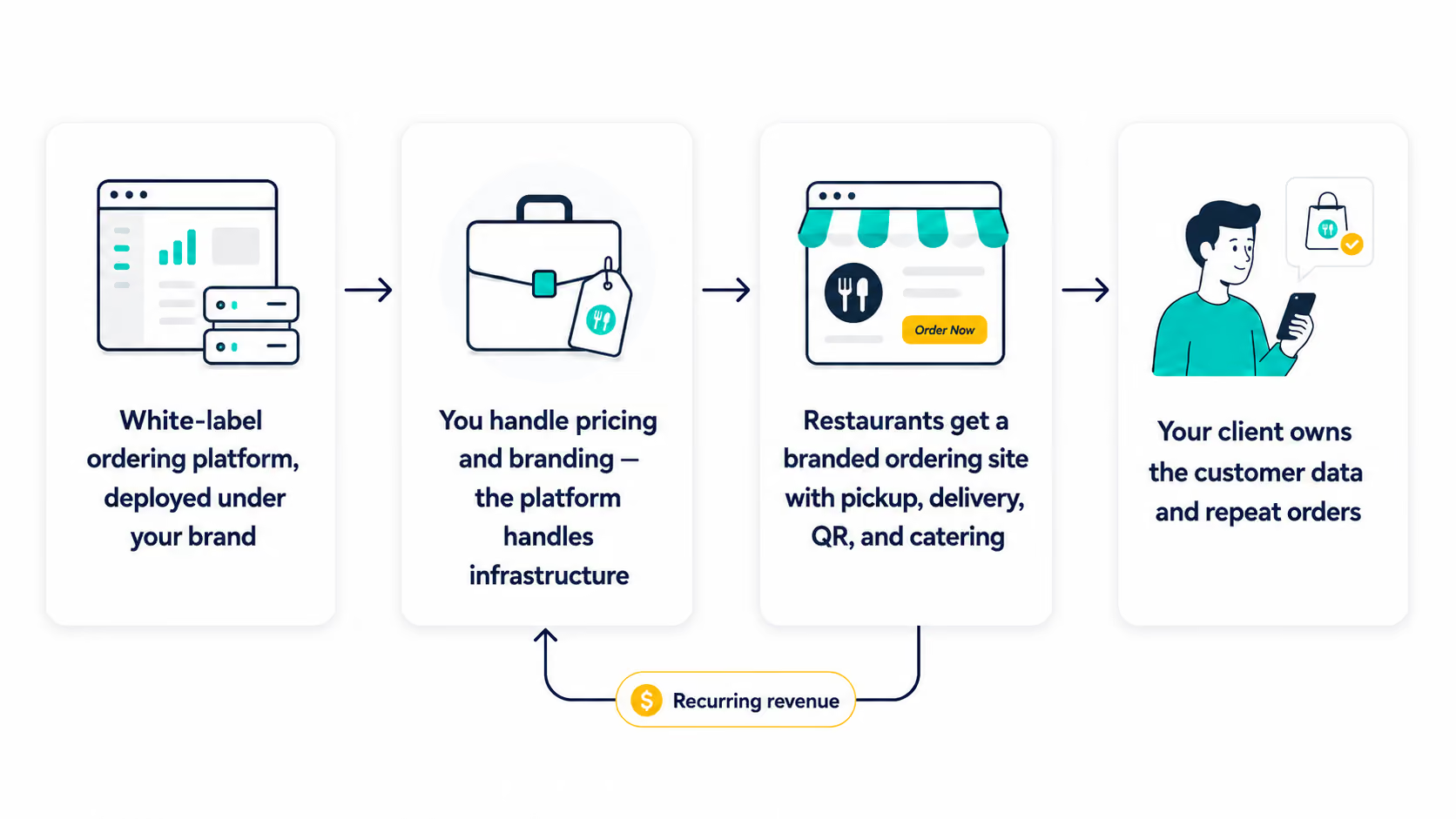
White label online ordering software is a ready-made digital ordering platform you can sell to restaurants under your own brand and at prices you set.
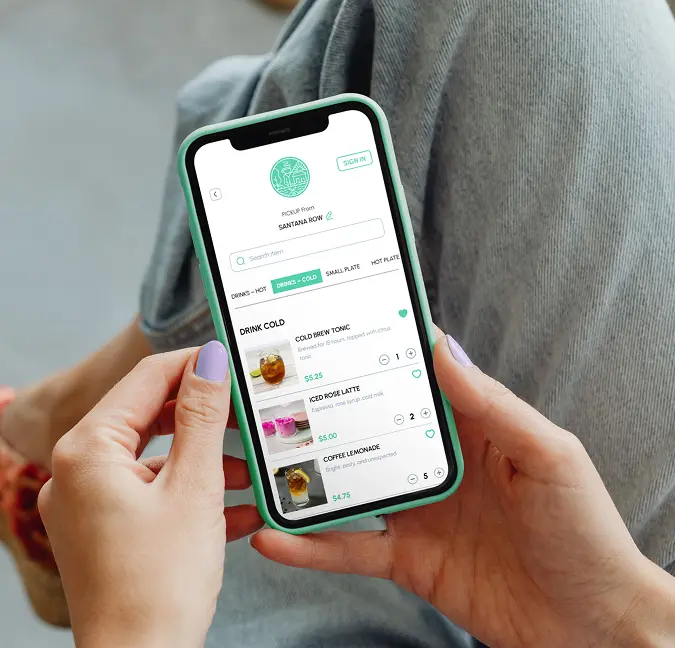
Restaurants can use a branded food ordering app, website, QR code, or custom link to provide a seamless ordering experience whenever customers order food directly.
The software provider manages the core technology, including hosting, updates, security, performance, integrations, and feature development. You, on the other hand, manage the client relationship, packaging, pricing, onboarding, and support model.
Should you use white label software or build your own platform?
Both options get you to the same destination: an online ordering system you can offer to restaurant clients. The difference is what you take on after that:
Who Can You Sell White Label Online Ordering To?
White label online ordering is easiest to sell when a restaurant business already takes orders but lacks control over the process. The specific pain point varies by business type. Here’s where you can start looking:
1. Marketplace dependence and delivery fees
If a restaurant’s orders mostly come through third party delivery apps, the recurring commission is the wedge.
Full-service and neighborhood restaurants are the classic case here. They want pickup, delivery, curbside, dine-in QR, and catering through their own website or app instead of routing everything through a marketplace listing.
A white label platform can improve restaurant profit margins by reducing the commissions associated with third-party aggregators and directing more orders through channels the restaurant controls.
2. Consistency across locations or concepts
Multi-location restaurants and franchises need a consistent ordering experience across locations, while still controlling location-specific menus, pricing, taxes, hours, delivery zones, and availability.
Multi-brand restaurant groups face a different challenge. Each concept needs its own menu, branding, and customer-facing ordering experience, while the group still needs one place to manage orders, reporting, and account access.
3. Pre-orders, scheduling, and lead times
Catering businesses and restaurants with catering menus need to manage pre-orders, lead times, prepaid payments, delivery instructions, and custom pricing for large or high-value events. Food trucks and pop-ups deal with a different version of the same problem: limited-time menus, changing pickup locations, and frequent updates to hours or availability.
4. Menu configuration complexity
Pizzerias are the sharpest example. Between crusts, toppings, half-and-half options, nested add-ons, premium upsells, delivery zones, promo codes, and real-time order alerts, a pizza menu has a lot more moving parts than a simple upload can manage.
Cafes and bakeries hit a lighter version of this with modifiers (size, milk, syrup, shots) and advance ordering for cakes, trays, or office events.
5. Speed and order volume
For QSRs and fast casual restaurants, lunch rushes, repeat customers, and tight prep windows are the daily reality. So the need here is mobile-friendly ordering, prep-time controls, order throttling, and faster reordering, all of which improve operational efficiency during peak periods.
What Are the Key Benefits of White Label Online Ordering for Resellers?
White label online ordering gives you a practical way to convert restaurant demand into a repeatable service line. Here are the top reasons that make it a strong choice for resellers:
1. A new recurring revenue stream
The biggest benefit is that online ordering gives you something to charge for beyond the first project.
Instead of earning once from a restaurant website, POS setup, marketing campaign, or consulting engagement, you can add monthly revenue through ordering access, menu support, reporting, loyalty campaigns, account management, or local marketing.
If you already provide restaurant websites, POS systems, loyalty tools, or marketing services, adding online ordering can make your existing offer more complete.
You can bundle related capabilities into one package and price it according to the additional functionality, setup, and ongoing support you provide.
2. More control over pricing and margins
With white label online ordering, you can price the service around the value you provide.
For example, a cafe that needs a straightforward menu and pickup flow needs less work compared to a franchise group with multiple locations, delivery zones, and staff training. Your pricing can reflect that difference.
The ongoing work you do for clients, such as editing menus, setting up coupons, configuring delivery settings, reviewing accounts is billable too. Bundle them into tiered packages or sell them as add-ons – either way, that’s also where the margin comes from.
3. Better client retention
Direct ordering gives you a reason to remain connected to the client’s revenue while supporting customer loyalty over time. If you help a restaurant manage its ordering page, customer data, loyalty offers, coupons, and repeat-order campaigns, your service becomes part of how they make sales.
4. Less product risk for your team
Creating your own ordering system means owning the entire stack, including payments, POS connections, delivery settings, security updates, hosting, and new feature development.
With a white label platform, the software provider remains responsible for maintaining the product, releasing updates, improving features, fixing technical issues, and keeping the platform compatible with supported systems.
Your team can focus on selling, packaging, onboarding, supporting clients, and growing accounts instead of managing a software roadmap.
What Should You Look for in a White Label Platform?
This is where your research shifts from “Can I sell this?” to “Which platform can I trust with my restaurant clients?”
A good platform has to work for both sides of your business — strong enough for the restaurants you serve, and practical enough for your team to sell, manage, and support without losing margin.
That’s why you must evaluate the software provider beyond pricing and surface-level features. Here’s what to consider before you commit:
1. Restaurant workflow coverage
Start your research with your potential restaurant client.
Check with the owner, manager, or team lead how orders come in on a regular day: pickup, delivery, catering, QR, scheduled, or phone. Then understand how they handle modifiers, delivery zones, sold-out items, prep-time changes, refunds, and rush-hour order limits.
Then have the platform vendor walk through those exact workflows. For example, if your client is a pizzeria, ask to see crust options, half-and-half toppings, size changes, premium add-ons, coupons, delivery rules, and special instructions in one test order.
The platform should match how your clients already work.
2. Branding and account control
Confirm what you control as the reseller. Ask the vendor which parts of the platform can carry your branding, including the ordering page, admin view, emails, receipts, demo account, client-facing materials, and support experience.
Then check what your restaurant client can manage without contacting you: Can they update holiday hours, change menu prices, mark items unavailable, pause delivery, edit prep times, or set up a limited-time offer on their own?
For multi-location clients, also consider user roles and permissions. For instance, a manager should have menu and hour controls, while front-of-house staff may only need order access.
3. POS, payment, and delivery compatibility
“Yes, we integrate” isn’t enough on its own.
Be clear about the POS systems your clients use, such as Toast, Clover, Revel, Checkmate or whichever systems matter for your market. Understand how orders, modifiers, taxes, discounts, tips, item availability, and order status sync in the platform.
Also ask how orders route to the right printer or KDS and what happens if the POS connection fails during service. If staff still have to retype orders or fix modifier details by hand, the integration may create more work than expected.
Check the payment setup too – for instance:
- How are refunds, failed payments, disputes, and chargebacks handled?
- Which payment gateways are supported?
- Are Apple Pay and Google Pay available?
- Whose merchant account is used?
- How do payouts work?
For delivery, find out about zones, fees, minimum order values, driver assignment, tracking links, and fallback steps. What happens if a driver is unavailable, a delivery quote fails, or the customer address falls outside the delivery zone? Clear your doubts.
4. Marketing and customer engagement tools
If you plan to run targeted marketing campaigns for restaurant clients, check what customer data the platform makes available and how easily your team can use it.
Ask whether you can:
- View each client’s customer details, order history, repeat purchases, coupon usage, and menu performance
- Identify regular customers, high-value customers, lapsed customers, and best-selling items
- Create and manage loyalty offers, coupons, email campaigns, SMS messages, or push notifications for individual clients
- Control which team members can access each restaurant account and keep client data separate
Some platforms may give these capabilities to the restaurant while limiting reseller access. Clarify the account permissions before choosing a provider, especially if campaign management will be part of your service.
With the right access, you can build ongoing services around the online ordering software, including marketing promotion, campaign planning, loyalty management, menu promotions, and account reviews. Without it, your role may stop after the initial setup.
5. Support, training, and onboarding
Before you sell the platform, get clear on who owns each part of the launch. Ask the vendor:
- How will your team be trained?
- Who trains the restaurant staff?
- What’s included, and what costs extra?
- Who handles urgent technical issues after launch?
- Who helps with menu upload, payment configuration, and POS testing?
Map that against your own package. You may take care of client communication, menu approvals, monthly reporting, campaign updates, and account reviews. The vendor may handle platform support, product updates, integration questions, and technical fixes.
6. Pricing transparency and margin protection
It’s important to get the full cost breakdown before creating client pricing, including:
- Platform and setup costs: Monthly platform charges, one-time setup fees, and onboarding costs
- Integration and delivery fees: POS integration charges and setup or recurring fees for delivery-platform connections. For example, Restolabs does not charge any additional fee to integrate with their direct POS, payments and delivery partners. Everything is included in the monthly cost.
- Add-on and scaling costs: SMS, branded app pricing, extra location charges.
- Payment-related costs: Processing rates, wallet fees, refunds, chargebacks, and payout terms for your clients.
- Contract conditions: Minimum commitments, renewal rules, cancellation rules, and data export terms
Some delivery and payment costs may be billed directly to the restaurant client, but confirm who pays each charge before setting your package price.
Then compare these costs with the work included in your offer. A simple ordering setup, a managed monthly package, and a multi-location rollout should not carry the same price.
Your fee should reflect the platform cost, your team’s time, the level of support included, and the value delivered to the client.
Pricing from the base platform fee alone can leave out integrations, SMS, support, payment costs, add-ons, and extra locations, reducing your margin later.
How to Become a White Label Online Ordering Reseller with Restolabs
Once you know what to look for in a platform, the next step is choosing a partner that can help you sell, launch, and manage online ordering without developing and maintaining the technology yourself.
Starting a white label food delivery service involves researching your target market, defining your business model, choosing a platform provider, and deciding how you will package and support the solution.
Restolabs is a commission-free direct online ordering platform with an established reseller program designed to help you offer branded online ordering to restaurant clients.
The program includes:
- A complete restaurant ordering product: A modern, mobile-optimized ordering website, branded mobile apps, loyalty and rewards, QR table ordering, table reservation management, catering, order management, multi-location controls, key POS integrations, flexible delivery options, and negotiated delivery rates where available
- Reseller account management: A dedicated dashboard for managing restaurant clients, locations, account activity, billing, and earnings
- Sales enablement: Demo accounts, sales kits, presentation decks, marketing materials, and product support for client conversations
- Flexible client onboarding: Restolabs can support the onboarding of restaurant clients, or you can manage onboarding yourself with training and direct assistance from the Restolabs team
- Ongoing technical management: Hosting, server infrastructure, product maintenance, software updates, security, support, and continued platform development
Restolabs also supports more than 100 integrations across POS, payment, and delivery tools, including Toast, Revel, Checkmate, Thrive, Stripe, Apple Pay, Google Pay, DoorDash Drive, Uber Direct, and Tookan.
Choose the Restolabs partner path that fits your model
Restolabs offers two partner paths:
- Authorized Partner Program, which works when you want to add Restolabs to your current services while keeping the Restolabs brand visible. You can introduce restaurants to the platform, use Restolabs’ demos and sales materials, and earn monthly commissions on restaurant account revenue, based on current partner terms.
- White Label Program makes sense when you want your own brand to lead. You pay Restolabs’ discounted monthly subscription rate, set a marked up price to your restaurant clients, and retain the difference as your revenue. You get full flexibility to price the product and maximize your bottom line. You can also package online ordering with setup, menu support, local SEO, paid advertising, loyalty campaigns, reporting, or account management.
Earn revenue beyond the monthly package fee
The difference between your discounted platform cost and the monthly price charged to the restaurant is one source of revenue. White Label resellers can also earn from order volume, delivery transactions, and additional services.
- Per-order service fees: You can agree on a service fee for orders processed through a restaurant client’s account. Through Stripe Connect, the reseller’s share can be routed directly to its connected account. The restaurant may absorb the fee or pass it through to the customer at checkout, depending on the agreed setup.
- Delivery-rate margins: Restolabs gives resellers access to negotiated rates from supported delivery partners. You can charge the restaurant client a higher rate for each delivery and retain the difference as your margin. The restaurant can then decide whether to absorb that cost or include it in the delivery fee shown to customers.
- Additional services: You can also charge restaurant clients for onboarding, menu configuration, loyalty campaigns, local marketing, reporting, account management, and ongoing support.
These revenue streams can operate alongside your monthly platform margin, giving you several ways to earn from each restaurant account.
Example: How one restaurant account could generate revenue
Suppose:
- You charge the restaurant $175 per month
- Your discounted platform cost is $75 per month
- The restaurant processes 500 direct orders per month
- You charge the restaurant a $0.50 service fee per order
- Of those orders, 150 require delivery
- Your negotiated delivery-partner rate is $5.50
- You charge the restaurant $6.50 per delivery
In this example, the restaurant client pays the per-order service fee and the delivery rate charged by the reseller. The restaurant can choose whether to absorb those costs or pass some or all of them through to customers.
“I have used Restolabs for the past three years. During that time, I have been able to launch my own online ordering business. It has tremendous flexibility and is very user-friendly.” — Jeo Kotler, Constant Cuisine
Earn Your Next Revenue Stream With White Label Online Ordering Software
Start with one restaurant client that has a clear need for direct online ordering. Bring their menu, current setup, and operating requirements to a Restolabs demo to see how the platform would work for them and what the reseller opportunity could look like for you.
After you understand the setup and economics for one account, you can decide how to package the offer for similar clients.
Schedule a demo with Restolabs and evaluate the opportunity using a restaurant account you already know.

Sruthi Sekar specializes in brand strategy, growth, and user experience in the hospitality industry. As the driving force behind Restolabs, she helps restaurants harness technology to scale and thrive. With a background in design, branding, and entrepreneurship, she brings a sharp focus on crafting digital experiences that drive real business impact.
Frequently Asked Questions
Yes. With a white label online ordering platform, you can sell a ready-made ordering system under your own brand instead of developing the software from scratch. The platform provider handles hosting, product updates, security, and technical maintenance, while you manage packaging, pricing, onboarding, and customer relationships. This gives agencies, consultants, POS partners, and ISOs a practical way to add white label food delivery to their existing service offerings without becoming software developers.
The biggest pitfalls are hidden fees, weak integration checks, limited branding options, skipped testing, and unclear support responsibilities. Confirm the full cost of the setup process, POS connections, payment processing, delivery integrations, SMS usage, branded apps, and additional locations. You should also test whether the platform works with your clients’ existing systems, supports multiple payment gateways, and handles modifiers, taxes, menu updates, refunds, and delivery workflows correctly.
Resellers can earn through monthly platform markups, setup fees, menu setup, branding, local SEO, paid campaigns, loyalty management, reporting, delivery services, and ongoing account support. Some resellers offer a straightforward software package. Others create broader plans that include marketing, customer retention, and premium support. Combining the platform with services restaurants already need can strengthen profit margins, support client acquisition, and generate repeat business.
However, you should understand the essential features restaurant clients rely on, including menus, modifiers, payments, pickup, delivery, loyalty, and POS integrations. This knowledge allows you to guide clients confidently without taking complete control of the technical product or operating a development team.
That depends on the reseller program. Before signing up, clarify which responsibilities belong to you and which are handled by the platform provider. The provider may manage technical issues, software updates, payment connections, and integration troubleshooting. Your team may handle client communication, menu approvals, reporting, and account reviews. Also confirm whether your reseller dashboard gives you full access to manage multiple clients, locations, billing details, and support requests. The division of responsibilities should be clear before you create your client packages.
They will pay when the solution supports a clear operational or revenue goal. A branded food delivery app or ordering website can give restaurants direct access to customers, strengthen their brand identity, and improve the overall customer experience. It can also support customer data ownership, loyalty campaigns, and repeat-order marketing. Unlike third party marketplaces, a direct ordering platform allows restaurants to reduce dependence on third party platforms and maintain a closer connection with the people ordering from them.
Migration normally begins by transferring the restaurant’s menu, pricing, modifiers, operating hours, delivery zones, payment settings, and customer-facing branding to the new platform.
The restaurant can then promote the new ordering channel through its website, packaging, email campaigns, in-store materials, and social media integration. Existing marketplace listings do not have to be removed immediately. The restaurant can gradually encourage customers to order directly by offering loyalty points, exclusive discounts, or lower prices.
Over time, this can reduce reliance on a third party marketplace while giving the restaurant more control over its orders, marketing, and customer information.
Yes, although the level of customization depends on the provider. A white label food delivery app may allow you to use your company name, logo, domain, brand colors, promotional materials, and client-facing support identity.
A strong white label program should give you full control over the way the solution is packaged and sold. However, white labeling does not necessarily mean complete ownership of the underlying software. The provider still owns and maintains the core technology.





.webp)

.svg)
.webp)