

Key Takeaways
- Food delivery apps charge 12%–35% commission per order, which can eliminate profit on an already thin-margin sale.
- Restaurants do not own customer data on third-party platforms, making it difficult to build loyalty or run direct marketing.
- Pay-to-play visibility means only the highest-spending restaurants get meaningful exposure on these apps.
- Operational strain from multiple tablets, manual order entry, and menu mismatches adds hidden costs beyond commissions.
- A branded direct ordering system helps restaurants retain more revenue, own customer relationships, and reduce dependence on third-party platforms.
Third-party delivery apps can make a restaurant look busier. More orders come in, the kitchen stays active, and the brand appears in front of new customers. But when commissions, promotions, and customer data loss are added back into the equation, the growth story becomes harder to defend.
The goal is not to abandon every delivery marketplace overnight. The smarter move is to stop letting those platforms own every repeat order. Restolabs helps restaurants build a direct ordering channel that keeps commissions down, customer data accessible, and the ordering experience under the restaurant's control.
Are Food Delivery Apps Helping Restaurants or Hurting Their Profits?
A restaurant owner may see delivery orders spike after joining a marketplace and assume the channel is working. Then the monthly payout arrives. Between commissions, promotions, and delivery-related complaints the restaurant never directly controlled, the "new revenue" starts to look less like growth and more like rented demand.
Many restaurant owners initially see delivery orders increase, but their net payouts tell a different story. The real question is not whether delivery apps bring volume—it is whether that volume translates into sustainable profit.
How Third-Party Delivery Apps Work for Restaurants
Before calculating the true cost, it helps to understand the mechanics. Here is how a standard third-party delivery order flows from signup to payout:
- Restaurant onboarding: The restaurant lists its menu on the platform and agrees to the commission structure and terms.
- Customer discovery: A customer opens the app, searches by cuisine or location, and sees a ranked feed of restaurants—ordered by the platform's algorithm, not by customer preference alone.
- Order placement: The customer places an order through the app. The platform captures all customer contact details.
- Kitchen preparation: The restaurant receives the order—typically on a separate tablet—and prepares the food.
- Delivery assignment: The platform dispatches a driver. The restaurant hands off the food and loses control of the final-mile experience.
- Commission deduction: The platform deducts its commission, payment processing fees, and any promotional subsidies before transferring the remainder to the restaurant.
- Customer data retention: The platform keeps all customer data. The restaurant receives no contact information and cannot market to that customer directly.
- Sponsored placement: Restaurants that want better visibility pay additional fees for promoted listings—on top of the per-order commission.
Each step that seems convenient on the surface—discovery, delivery, payments—comes at a cost. And most of those costs come directly out of the restaurant's margin.
How Delivery Apps Hurt Restaurant Profits: Fees, Margins, and Lost Customer Data
The commission line is only the fee operators can see first. The real margin leak usually appears after promotions, payment fees, refund adjustments, and paid visibility are stacked on top.
- Commission Fees: Delivery apps charge commission rates ranging from 12% to 35% per order. Platforms like Zomato charge between 12%–20%, while UberEats can take up to 35% plus additional fees.
- Thin Operating Margins: Restaurants already work with tight margins. When a third-party platform takes 20% to 30% of an order, the sale may look healthy at the top line while contributing far less to actual profit.
- Customer Ownership: Even though customers place orders through these platforms, the delivery app retains all customer information, limiting the restaurant's ability to market directly to them in the future.
For an operator watching orders come in during a dinner rush, those deductions are easy to overlook. The problem shows up later, when the payout does not match the kitchen's effort.
Sample Order Profit Breakdown: $40 Order Value
See what commissions may be costing the restaurant.


.svg)
What This Looks Like for Different Restaurant Models
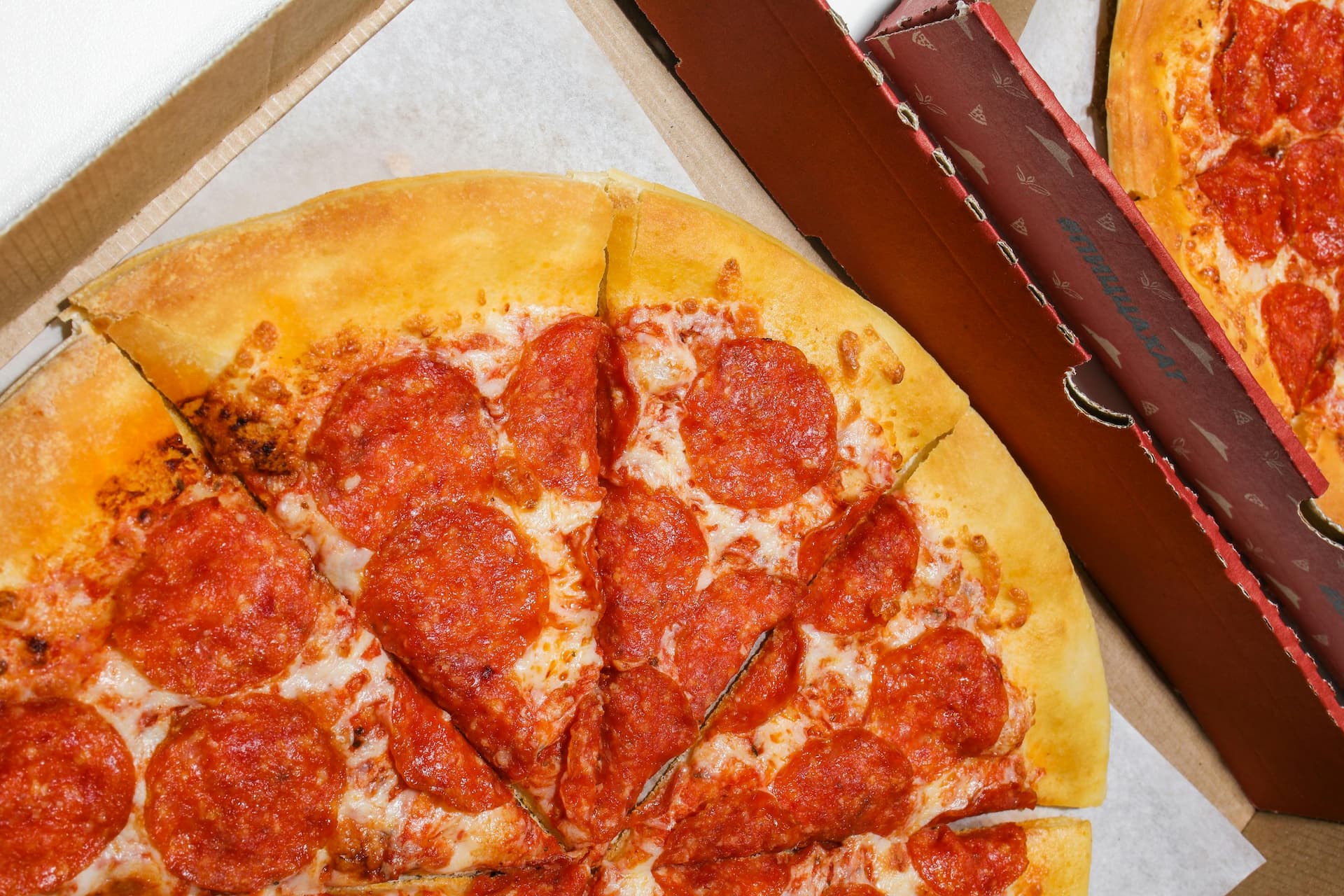
- Pizzerias: Weekend order volume can look strong until commissions remove the margin from high-ticket family orders.
- Cafes and bakeries: Repeat customers matter, but third-party apps keep the contact data that would power loyalty offers.
- Ghost kitchens: Delivery is the business model, so relying only on marketplace rankings can make revenue unpredictable.
- Multi-location restaurants: Without direct ordering data, it becomes harder to understand which locations are driving repeat demand.
Over time, rather than expanding revenue, food delivery platforms can shift the restaurant's model from owned demand to commission-heavy marketplace dependency.
Want to see the impact on your own numbers? Use Restolabs' commission savings calculator to estimate how much third-party fees may be costing your restaurant.
Why Are Food Delivery App Fees So High?
The headline commission number is rarely the full story. Delivery platforms layer multiple fee types on top of one another, and each one reduces what the restaurant actually receives.
Stacked together, these fees can push the true platform cost well above the advertised commission rate. An order that looks profitable at the point of sale can register as a near-breakeven transaction once all deductions are applied.
Operational Problems Delivery Apps Create for Restaurants
The financial impact is only part of the problem. Many restaurant operators feel the operational strain before they ever run the numbers. A kitchen managing three delivery tablets alongside dine-in tickets is already stretched—and each new platform added to the mix introduces another layer of complexity.
- Tablet overload: Each delivery platform requires its own device and interface. Staff must monitor multiple screens during peak hours, increasing the chance of missed or delayed orders.
- Manual re-entry errors: When orders are not integrated with the POS system, staff must manually enter ticket details—creating opportunities for errors that result in wrong orders and refund requests.
- Menu synchronization issues: Price changes, 86'd items, and seasonal specials updated in the restaurant's POS must be manually replicated on every delivery platform, or customers order items that are no longer available.
- Prep-time pressure: Delivery apps may display inaccurate wait times, creating customer expectations the kitchen cannot meet during a rush—leading to rushed preparation and quality issues.
- Refund dispute overhead: When disputes are filed, the restaurant must investigate through the platform's system rather than speaking directly with the customer—adding administrative burden without a clear resolution path.
- Staff training gaps: Each new platform requires staff onboarding. High turnover in restaurant teams means this training cost recurs frequently.
These are not edge cases. They are the daily reality for operators managing multiple delivery channels without a unified direct ordering system.
Why Delivery App Exposure Does Not Always Create Loyal Customers
A restaurant owner may sign up for a delivery app expecting a new stream of loyal customers. What often happens is different. Visibility depends on placement, placement depends on spend, and the customer still belongs to the marketplace when the order is over.
- Pay-to-Play Visibility: Many food delivery apps offer premium placements for a fee, meaning only the highest-spending restaurants get prime visibility. A restaurant that stops paying for placement can see its search ranking drop almost immediately.
- Lack of Brand Loyalty: A customer opening a delivery app is rarely searching with loyalty first. They are comparing discounts, delivery times, and whatever appears near the top of the feed. If another restaurant pays for better placement or offers a bigger promotion, the customer can switch before they ever think about the brand.
- No Control Over Customer Experience: Once the food leaves the kitchen, the restaurant is still responsible for the customer's experience, even when it no longer controls the handoff. A late driver, a cold bag, or a missing item can turn into a negative review for the restaurant—not the platform that managed the delivery.
The fundamental problem is that these platforms are designed to build loyalty to the app, not to the restaurant. A customer who orders from the same restaurant ten times through a delivery app is still a stranger to that restaurant—there is no email address, no order history the restaurant controls, and no direct way to bring them back.
How Delivery Apps Can Damage Your Restaurant's Reputation
Beyond the financial cost, third-party delivery creates a reputational risk that is difficult to manage from inside the kitchen. The moment an order leaves the restaurant, the brand experience is no longer fully in the restaurant's control.
- Late or Cold Deliveries: Driver delays, long queues, and inefficient routing mean food often arrives in worse condition than it left the kitchen—and the one-star review goes to the restaurant.
- Missing or Incorrect Items: Packaging handoffs and multiple-stop delivery routes increase the chance of errors. Even when the kitchen prepared the order correctly, the restaurant is blamed.
- Refund Disputes: Platforms often resolve customer complaints by issuing refunds automatically, and restaurants may not even be notified until the deduction appears in their payout.
- Negative Reviews With No Resolution Path: When a delivery goes wrong, the restaurant receives the public review but has no direct relationship with the customer to resolve the issue or rebuild goodwill.
That gap between preparation and delivery is where reputation risk grows. The restaurant may do everything right in the kitchen and still absorb the public blame for a delivery experience it did not control.
For independent restaurants where reputation is built order by order, this loss of control over the final mile of the experience is one of the most underappreciated risks of marketplace dependency.
Why Restaurants Keep Using Delivery Apps Even When Margins Shrink
The issue is not that restaurant owners do not understand the fees. Many do. The harder part is replacing the convenience and visibility these platforms seem to offer.
Customers are already browsing DoorDash, Uber Eats, and other marketplaces. Staff are already used to the tablets. For a busy operator, setting up a direct channel can sound like one more project on an already full plate.
That is why the goal should not be an overnight shutdown. The practical move is to build a direct ordering channel that captures repeat customers while third-party apps remain a limited discovery tool—not the primary revenue engine.
Should Restaurants Stop Using Food Delivery Apps Completely?
Not necessarily. The answer depends on how much of the business runs through third-party platforms, and what the restaurant is getting in return.
Delivery apps can serve a legitimate purpose as a discovery channel, particularly for new restaurants building initial awareness or testing demand in a new area. The problem is not using delivery platforms—it is becoming dependent on them for the majority of revenue without building a parallel direct-ordering channel.
When Third-Party Delivery Can Help
- New restaurant building initial brand awareness
- Testing demand in a new geographic area
- Filling capacity during off-peak hours
- Limited as one channel among several
When Dependence Becomes Harmful
- Marketplace orders represent over 50% of revenue
- Order volume grows but net profit stays flat
- No direct customer database being built
- Promotional costs are rising to maintain visibility
The smarter approach is to use delivery marketplaces for discovery while converting new customers to direct ordering over time. Every customer who places a second order through the restaurant's own channel is one less commission paid to a third party.
What Restaurants Should Track Before Relying on Delivery Apps
Before committing significant revenue to a delivery marketplace, restaurant operators should measure whether the channel is actually profitable—not just busy. These metrics reveal the real picture:
Delivery App Dependency Warning Signs
- More than half of all online orders come through third-party marketplaces
- Promotional placement spend is rising month over month
- Order volume is increasing but net profit per order is flat or declining
- Refund deductions are appearing regularly in platform payouts
- The restaurant has no owned customer database from delivery orders
- Repeat customer rate through direct channels is not being tracked
How Restaurants Can Reduce Dependence on Third-Party Delivery Apps
A better strategy is not simply "more delivery." It is more direct demand. With a branded online ordering system, restaurants can bring customers back to their own website or app, keep control of the order experience, and build a customer database that supports repeat business.
For many operators, the hesitation is not whether direct ordering makes sense. It is whether setup will become another project the team does not have time to manage. Restolabs addresses that gap with expert setup, menu configuration, and integrations that help restaurants launch quickly.
- Higher Profit Retention: Accept direct online orders without third-party commission deductions on every sale.
- Customer Data Ownership: Build a customer database and retain direct customer relationships for remarketing efforts.
- Custom Promotions & Loyalty Programs: Offer discounts, deals, and loyalty rewards without paying extra to an external platform.
- Lower Marketing Costs: Rather than spending on food delivery app promotions, focus on organic marketing through social media, SEO, and direct customer engagement.
- POS, Payment, and Delivery Integrations: A direct ordering system that connects with existing POS, payment, and delivery workflows eliminates the need for manual reconciliation across multiple platforms.
- Flexible, Contract-Free Plans: Unlike marketplace contracts, a flat monthly pricing model through Restolabs' flexible plans gives restaurants cost predictability without lock-in.
Restolabs supports that shift with commission-free online ordering, expert setup, menu configuration, and integrations for POS, payments, and delivery workflows. Restaurants can start selling online in as little as one day, without taking on a long technical project or rebuilding operations from scratch.
A direct ordering system only works if the team can actually use it during a rush. Restolabs keeps the ordering flow simple for customers and manageable for staff, while integrations reduce manual work behind the counter.
Direct Ordering vs. Third-Party Delivery: A Cost Comparison
How to Transition Customers to Your Own Online Ordering System
Moving customers from third-party apps to a direct ordering channel does not require pulling off platforms overnight. A phased approach reduces risk and builds sustainable direct-order volume over time.
Step-by-Step Transition Checklist
- Audit Current Fees and Order Volume: Calculate what each platform is actually costing the restaurant per month. Use the commission savings calculator to quantify the impact.
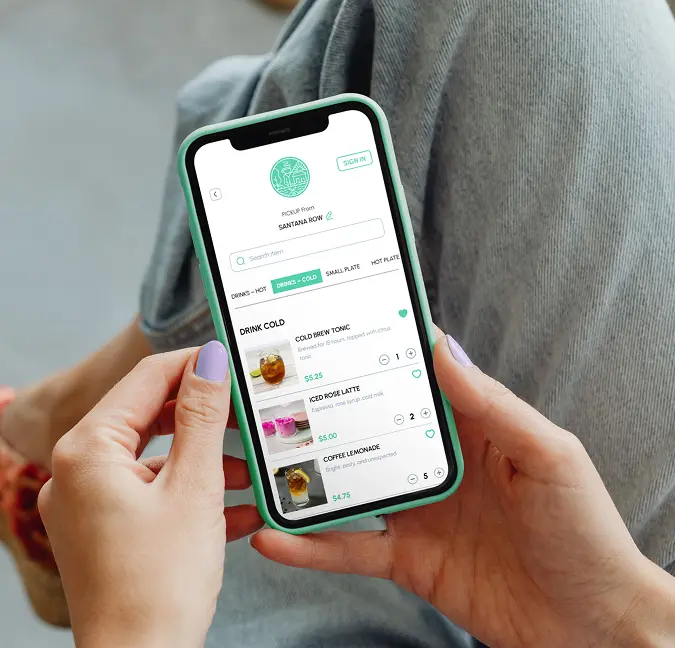
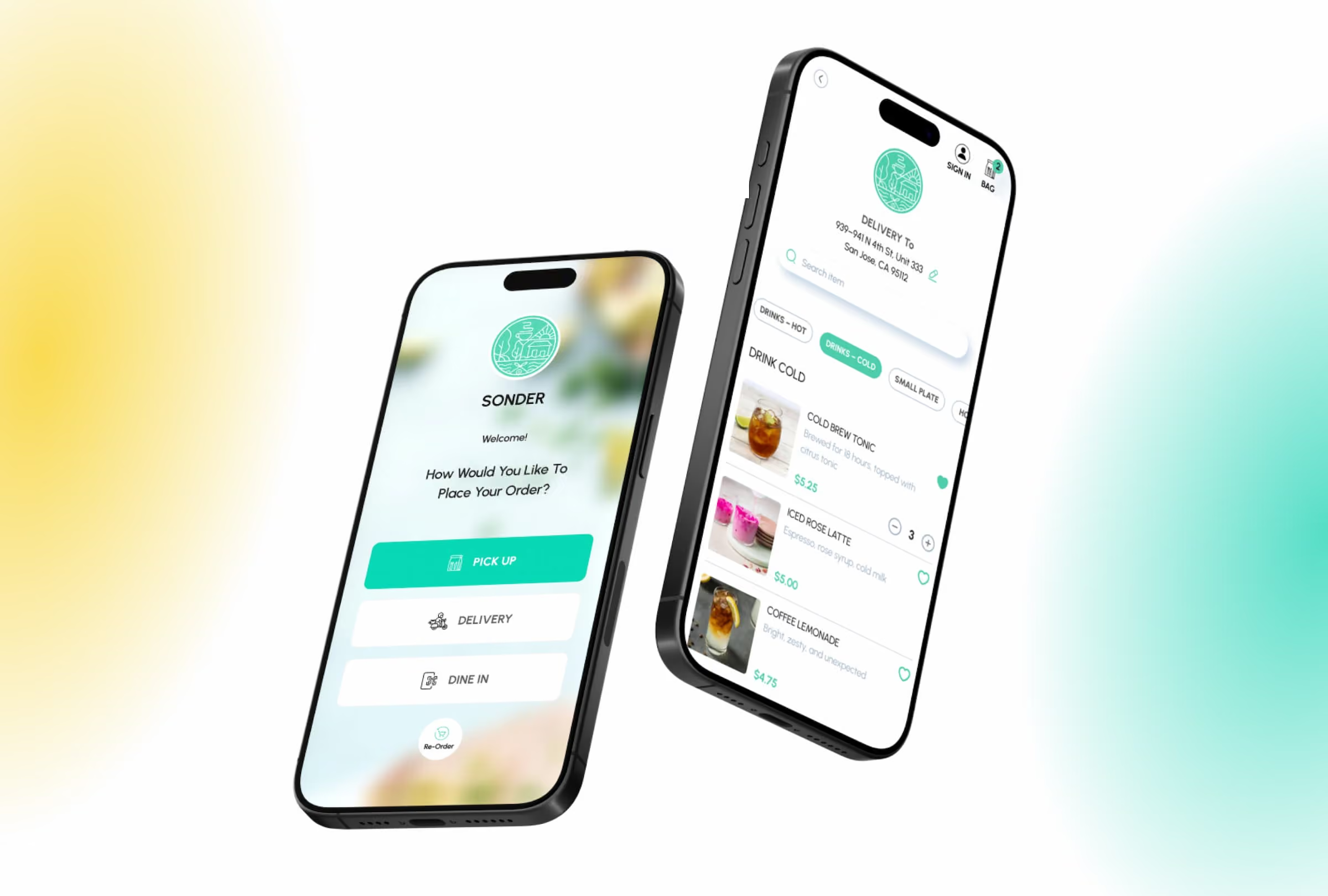
- Launch a Direct Ordering Channel: Set up a branded online ordering system on the restaurant's website and a branded mobile app.
- Configure and Share the Menu: Use Restolabs to set up a clean, accurate online menu that can be shared across the restaurant's website, app, and owned marketing channels. A well-configured menu improves conversion and reduces order confusion.
- Train Staff on the New Flow: Make sure front-of-house and kitchen staff understand the new order flow and how to handle direct orders alongside marketplace orders during transition.
- Use Packaging Inserts and In-Store Messaging: Add printed inserts in every delivery bag and QR codes on dine-in tables directing customers to order directly next time—with a clear incentive such as a discount or loyalty points.
- Launch an Email and SMS Campaign: Use any customer data already owned to promote the direct ordering channel with a first-order incentive.
- Track Direct Order Volume Monthly: Monitor the share of direct versus marketplace orders each month. Set a goal to increase the direct order percentage by 10%–20% per quarter.
The point is not to flip every customer overnight. The goal is to make direct ordering visible, easy, and rewarding enough that repeat customers gradually choose the restaurant's own channel first.
Implementation Timeline: 30–60–90 Days
Next Step: Build an Ordering Channel Your Restaurant Owns
Third-party delivery apps can help with discovery, but they should not become the only way customers order. When every repeat order runs through a marketplace, restaurants keep paying for demand they could be building directly.
Restolabs takes a direct, commission-free approach to online ordering. Its platform lets restaurants accept unlimited orders through their website and branded app for a predictable monthly rate—without paying a percentage of every sale to a third party.
The benefits of direct online ordering software do not stop there. Restaurants keep access to all customer data for loyalty, remarketing, and repeat-order campaigns—building an owned audience rather than renting one from a marketplace.
That is where Restolabs fits best: not as another marketplace, but as the direct ordering layer restaurants own. Marketplaces can introduce customers. Restolabs helps restaurants bring them back without paying a commission every time.
Restolabs supports expert setup, menu configuration, and POS, payment, and delivery integrations so restaurants can shift more orders to a channel they control—and start seeing the difference in as little as one day.
Book a Demo to see how Restolabs helps restaurants launch commission-free direct ordering, keep customer data, and protect more revenue from every repeat order.

Bharti Batra has extensive experience in restaurant technology and business operations. She writes about digital transformation in the hospitality industry, helping restaurants streamline processes and enhance efficiency. With a deep understanding of scaling and optimizing restaurant tech, she shares insights to help businesses grow.
Frequently Asked Questions
Food delivery apps are not inherently bad, but relying on them as a primary revenue channel can hurt restaurant profitability. Commissions of 15%–35% per order, loss of customer data, and pay-to-play visibility create real financial and operational risks. When used selectively for discovery—while a direct ordering channel handles repeat customers—delivery apps can play a limited, useful role.
Food delivery apps commonly charge commission rates ranging from 12% to 35% per order. For example, Zomato charges between 12%–20%, while UberEats can take up to 35% plus additional fees. For restaurants already working with tight operating margins, those fees can reduce the value of each order and make marketplace growth more expensive than it first appears.
Restaurants lose money on delivery apps because fees compound quickly. Base commissions, payment processing, promotional placement costs, discount funding, and refund adjustments can push the true platform cost well above the advertised rate. Combined with food cost and labor, many orders that appear profitable at face value generate very little—or no—net profit after all deductions are applied.
When customers order through delivery apps, the platform retains all customer information and contact details. This means you can't build your own customer database or market directly to these customers in the future, limiting your ability to create lasting relationships and repeat business.
Delivery apps build loyalty to the platform, not to individual restaurants. Customers browsing these apps compare prices, promotions, and delivery times across many options. Without access to customer contact details, restaurants cannot run re-engagement campaigns, loyalty programs, or personalized offers—making it difficult to convert a first-time marketplace buyer into a regular direct customer.
Restolabs uses a flat monthly pricing model instead of taking a commission on every order. That means restaurants can accept direct online orders without third-party commission deductions while keeping access to customer data for loyalty, remarketing, and repeat-order campaigns.
Delivery apps use a pay-to-play visibility model where only restaurants paying premium fees get prime placement. Customers on these platforms often shop for deals rather than specific restaurants, leading to low brand loyalty. Additionally, you have no control over the delivery experience, yet your restaurant gets blamed for any mishaps.



.webp)

.svg)
.webp)